Kidney damage can advance while you feel well, so waiting for swelling, nausea or reduced urine can delay treatment and planning. By tracking blood pressure, kidney filtration, urine albumin and related health measures, you can identify risk earlier, confirm whether an abnormal result is persistent and act before complications become harder to control.
Key takeaways
- Check kidney function early if you have diabetes, high blood pressure, or cardiovascular disease.
- Use eGFR and urine albumin-to-creatinine ratio together to assess CKD risk.
- Repeat one abnormal result before assuming it confirms chronic kidney disease.
- Seek urgent care for severe breathlessness, confusion, very low urine output, or rapid swelling.
Who needs kidney monitoring before symptoms appear?
Feeling well does not prove that your kidneys are healthy. Early chronic kidney disease often causes no noticeable symptoms; swelling, breathlessness, nausea, itching and marked fatigue usually appear later. Early CKD monitoring can detect damage while blood-pressure control, glucose management and medicine changes still have time to slow progression.
Arrange CKD screening if you have:
- Diabetes, hypertension and kidney disease
- Cardiovascular disease or obesity
- A parent, sibling or child with kidney failure
- Previous acute kidney injury, recurrent kidney stones or urinary obstruction
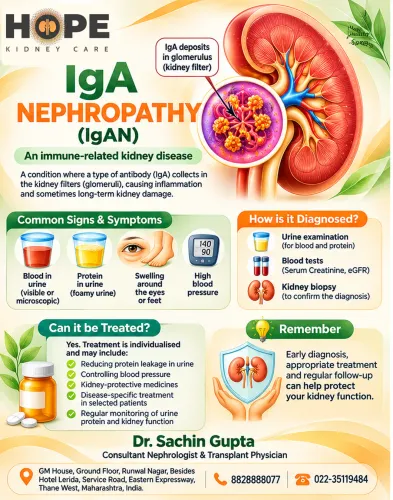
- Autoimmune, inherited or immune-related disease
- Regular exposure to medicines that can injure the kidneys, including frequent non-steroidal anti-inflammatory drugs
The initial check commonly includes blood pressure, serum creatinine with estimated glomerular filtration rate (eGFR), and a urine albumin-to-creatinine ratio (uACR). A urine test can reveal albumin leakage before kidney function falls.
| Risk group | Why test before symptoms | What monitoring may reveal |
|---|---|---|
| Diabetes or hypertension | Both can damage kidney blood vessels silently | Albumin leakage or falling eGFR |
| Cardiovascular disease or obesity | Kidney and cardiovascular risks often reinforce each other | Early damage requiring tighter risk-factor control |
| Family history or inherited disease | Genetic risk can exist before symptoms | A pattern needing targeted assessment |
| Prior acute kidney injury, stones or obstruction | Earlier injury can leave lasting damage | Incomplete recovery or recurrent blockage |
Testing is worthwhile because a normal-feeling person can still have treatable risk, and an early result creates a baseline for detecting change.
Which tests belong in a practical CKD monitoring plan?
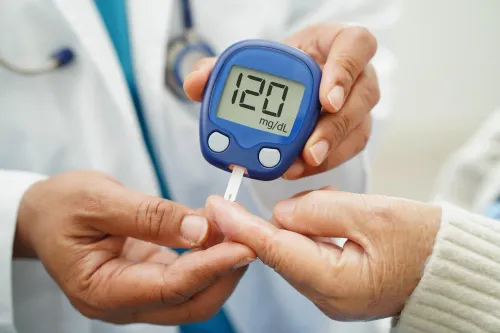
Measure kidney function and kidney damage together: serum creatinine with eGFR, plus a urine albumin-to-creatinine ratio (uACR). Add blood pressure at each clinical review, and check urinalysis, blood glucose or HbA1c, electrolytes, bicarbonate, haemoglobin and potassium when the disease, medicines or symptoms make them relevant.
A practical uACR testing frequency follows the combination of eGFR and albuminuria:
| eGFR and uACR pattern | Routine repeat interval | When to increase frequency |
|---|---|---|
| G1–G2 with A1 albuminuria | About once yearly | Repeat sooner after a new abnormal result |
| G1–G2 with A2 or A3 albuminuria | Once or twice yearly | Use closer review for A3 or rising uACR |
| G3a or G3b with A1 albuminuria | Once or twice yearly | Shorten the interval if eGFR falls |
| G3b with A2–A3, or any G4–G5 | Two to four times yearly | Base timing on decline rate, potassium and treatment changes |
A1 means uACR below 30 mg/g (3 mg/mmol), A2 means 30–300 mg/g (3–30 mg/mmol), and A3 means above 300 mg/g (above 30 mg/mmol). Confirm an unexpected high uACR with an early-morning sample; exercise, fever, infection, menstruation and uncontrolled glucose can temporarily raise it.
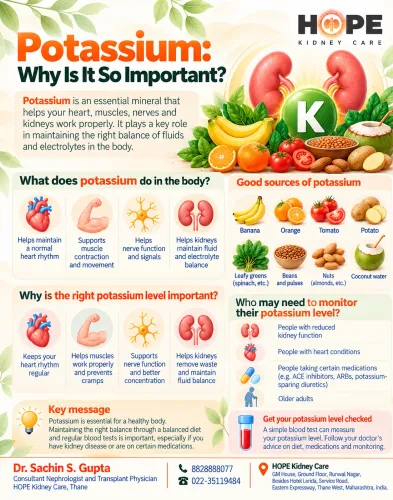
Test serum creatinine, eGFR and potassium after starting or increasing an ACE inhibitor or ARB. Arrange earlier review after a rapid eGFR decline, increasing albuminuria, uncontrolled blood pressure, acute illness, dehydration, or a medication change that affects kidney function.
How do you interpret eGFR, urine albumin and one abnormal result?
One low eGFR does not prove chronic kidney disease. eGFR estimates filtration from serum creatinine; a “normal” creatinine can hide reduced function in an older adult or someone with little muscle. Interpret the number alongside body composition, age, previous results and current illness.
The eGFR categories are:
- G1: 90 or higher mL/min/1.73 m², with kidney damage still required to call it CKD
- G2: 60–89, with another marker of kidney damage required
- G3a: 45–59; G3b: 30–44
- G4: 15–29; G5: below 15
Urine albumin-to-creatinine ratio (ACR) shows kidney-filter leakage that eGFR can miss. Albuminuria A1 A2 A3 means:
- A1: below 30 mg/g (below 3 mg/mmol)
- A2: 30–300 mg/g (3–30 mg/mmol)
- A3: above 300 mg/g (above 30 mg/mmol)
Persistent albuminuria means an elevated ACR remains present on repeat testing, ideally from an early-morning urine sample. Fever, strenuous exercise, menstruation, infection, high blood pressure and high glucose can temporarily raise it. Confirm a positive dipstick with ACR or a protein-to-creatinine ratio.
The CKD diagnosis three months rule requires eGFR below 60 or another kidney abnormality for at least three months. Repeat an unexpected result and compare older records; dehydration, infection, obstruction or medicines can cause acute kidney injury instead. A result that stays abnormal establishes chronicity and guides follow-up.
What can change your results, and when is monitoring urgent?
A low eGFR during vomiting, diarrhoea, fever, dehydration or urinary blockage may signal acute kidney injury on CKD rather than permanent progression. Compare the result with previous tests before drawing conclusions; one low eGFR cannot confirm chronic disease.
NSAIDs such as ibuprofen and diclofenac can reduce kidney blood flow, especially during dehydration or alongside an ACE inhibitor, ARB or diuretic. Over-the-counter does not mean kidney-safe. Report every medicine before contrast imaging, and disclose herbal supplements because their ingredients and doses can be uncertain.
Treatment changes also affect results. After starting or increasing an ACE inhibitor or ARB, clinicians check creatinine and potassium; a modest creatinine rise can occur, but a large rise needs assessment. A large meat-heavy meal can temporarily raise creatinine, while high salt intake can worsen blood pressure and fluid retention.
Seek prompt medical assessment if you have:
- Much less urine, new swelling or breathlessness
- Persistent vomiting or diarrhoea that prevents drinking
- Fever with flank pain, confusion or severe weakness
- Blood in the urine, difficulty passing urine or suspected obstruction
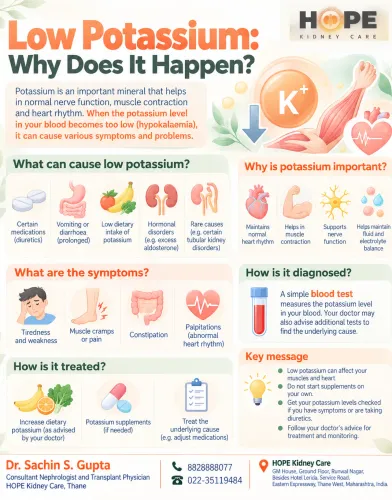
- A sudden creatinine rise, eGFR fall or potassium abnormality
Do not wait for the next routine appointment in these situations. Prompt review can identify reversible acute kidney injury before it causes lasting loss of function.
How early monitoring changes treatment and specialist planning
A persistent fall in eGFR, rising urine albumin, high potassium, or difficult blood pressure changes the plan before symptoms appear. Treatment targets the cause, protects remaining kidney function, and addresses complications while options remain broader.
- Persistent albuminuria can prompt ACE inhibitors and ARBs, but do not combine them routinely. Recheck serum creatinine and potassium after starting or increasing either medicine; a large creatinine rise requires assessment for dehydration, renal-artery disease, obstruction, or interacting medicines.
- Eligible people with CKD, particularly those with diabetes or albuminuria, may benefit from SGLT2 inhibitors. The prescriber checks kidney function, volume status, and concurrent medicines before and after treatment.
- A rapid eGFR decline, persistent heavy albuminuria, resistant hypertension, repeated potassium or bicarbonate abnormalities, uncertain diagnosis, suspected immune or inherited disease, or eGFR below about 30 mL/min/1.73 m² warrants nephrology referral.
- An eGFR below 30 also merits discussion of complications, medicines, nutrition, transplant evaluation, and future treatment choices. It does not mean dialysis is inevitable.
- If results show sustained decline toward kidney failure, start access and modality discussions early. Vascular access planning is considered when the expected trajectory makes haemodialysis a realistic possibility, because creating an access just before treatment can leave too little time for healing.
Hope Kidney Care can review serial results rather than one isolated creatinine value and help coordinate treatment changes, nephrology referral, transplant assessment, or vascular access planning according to your trajectory.
Related services
Glomerulonephritis in Thane IT is a group of disorders in which some Antibodies are developed which attack the kidney and damage it and cause the kidney function to worsen and... View service → |
Vascular access creation and planning Vascular access creation and planning Vascular access if basically a medium through which dialysis is made possible. View service → |
Frequently asked questions
Who needs kidney monitoring before symptoms appear?
Ask for kidney monitoring if you have diabetes, high blood pressure, cardiovascular disease, a family history of kidney failure, previous acute kidney injury, or take medicines that can affect kidney function.
Which tests belong in a practical CKD monitoring plan?
A practical plan includes a blood creatinine test used to calculate eGFR, a urine albumin-to-creatinine ratio, blood pressure measurement, blood glucose or HbA1c when relevant, and electrolytes when your clinician indicates them.
How should you interpret eGFR, urine albumin, and one abnormal result?
eGFR estimates filtration, while urine albumin-to-creatinine ratio detects kidney damage. One abnormal result does not establish chronic disease; repeat testing confirms whether the change persists.
What can change kidney test results, and when is monitoring urgent?
Dehydration, recent strenuous exercise, infection, high meat intake, medicines, and temporary illness can affect results. Seek urgent care for severe breathlessness, confusion, very low urine output, or rapidly worsening swelling.
Related service
Hemodialysis In Thane When a CKD patients kidney function drops to severely low levels along with significant increase in creatinine and other toxins like urea in blood,... View service → |