LOW POTASSIUM: WHY DOES IT HAPPEN? 🍌
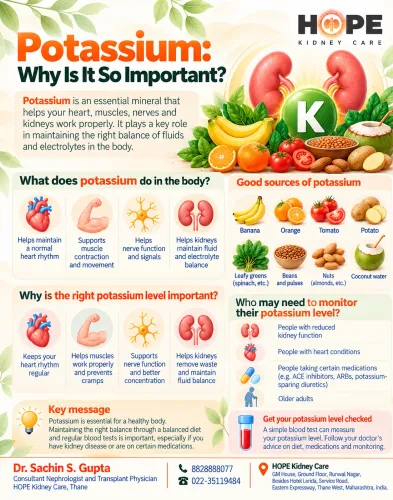
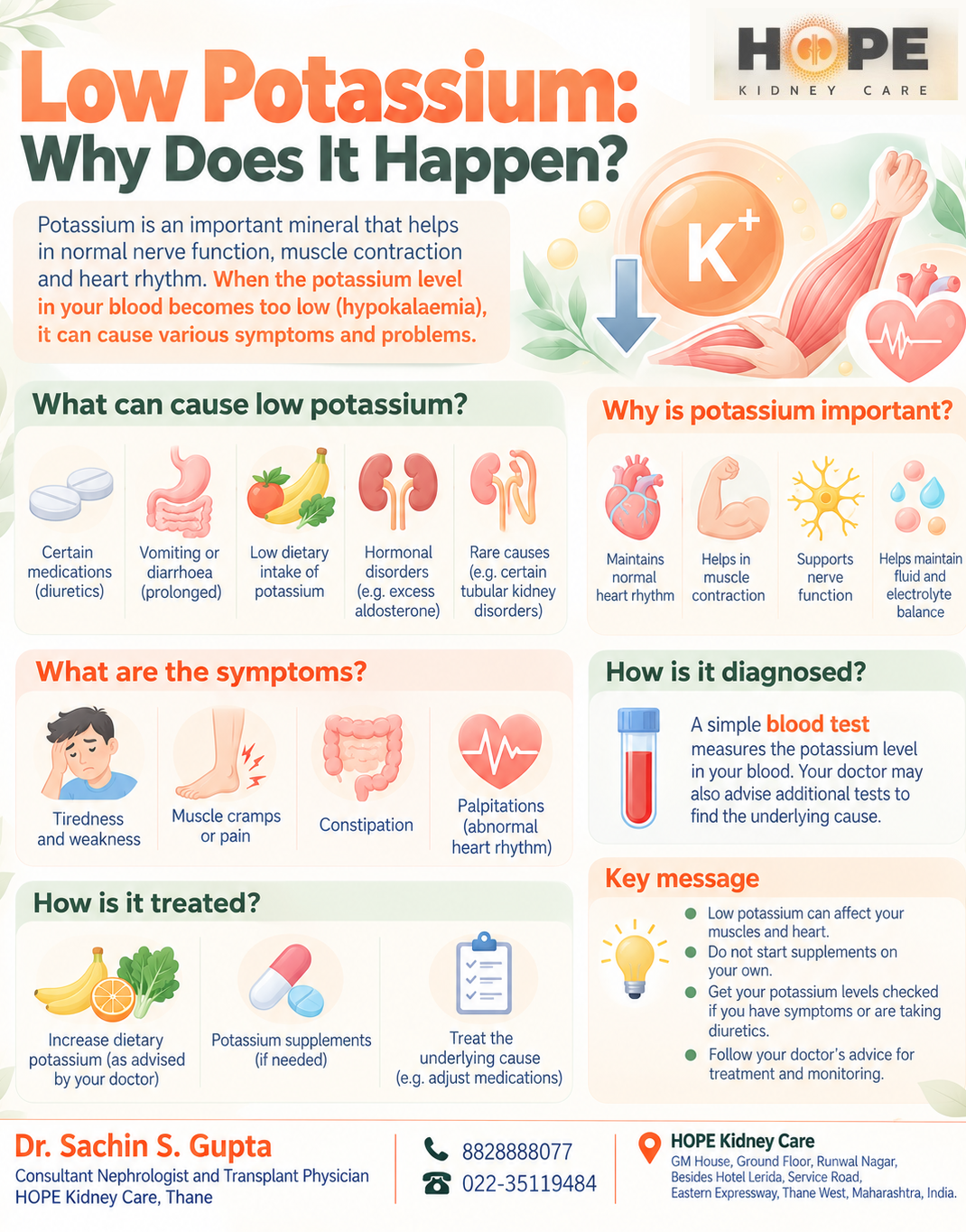
Potassium is essential for normal heart rhythm, muscle contraction and nerve function. But what happens when your blood potassium level becomes too low?
This condition is called hypokalaemia.
🔍 What can cause low potassium?
• Certain medicines, particularly diuretics
• Persistent vomiting or diarrhoea
• Inadequate dietary intake
• Hormonal conditions, such as excess aldosterone
• Certain kidney disorders that cause potassium loss
⚠️ What symptoms can occur?
• Muscle weakness and cramps
• Unusual tiredness
• Constipation
• Palpitations or abnormal heart rhythms
Mild hypokalaemia may cause no noticeable symptoms, while severe cases can be dangerous.
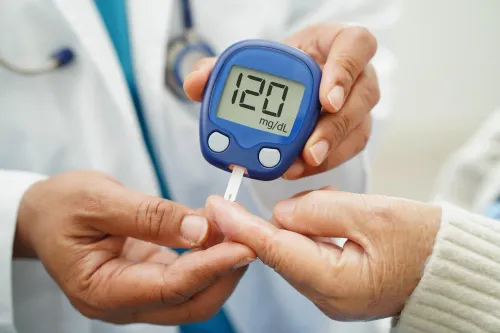
🩺 How is it diagnosed?
A blood test measures your potassium level. Your doctor may also recommend an ECG and additional investigations, depending on the severity and suspected cause.
💚 How can you manage it safely?
✅ Identify and treat the underlying cause.
✅ Follow an appropriate dietary plan.
✅ Take potassium supplements only when prescribed.
✅ Get your potassium levels monitored as advised.
Important: If you have kidney disease, do not increase potassium-rich foods or take supplements without medical advice. Severe weakness, fainting or concerning palpitations require urgent medical assessment.
👨⚕️ Dr. Sachin S. Gupta
Consultant Nephrologist & Transplant Physician
HOPE Kidney Care, Thane
📞 8828888077 | 022-35119484
#LowPotassium #Hypokalaemia #KidneyHealth #Nephrology #ElectrolyteDisorders #HeartHealth #KidneyAwareness #PatientEducation #HOPEKidneyCare
Keywords