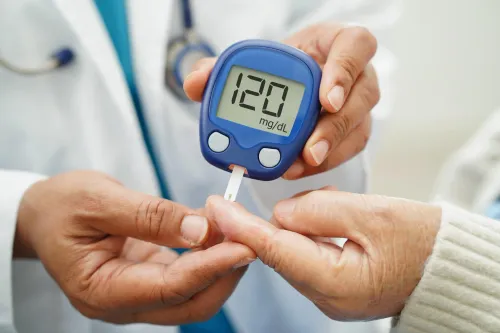
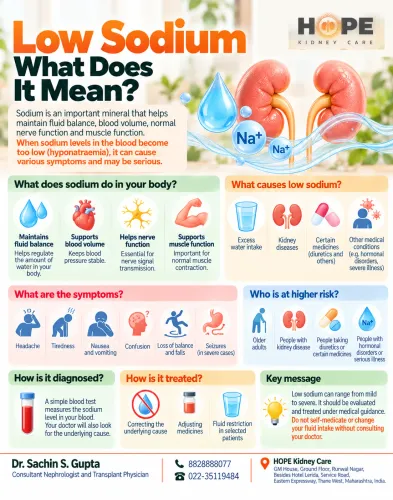
Living with diabetes involves much more than managing blood sugar levels. Over time, uncontrolled diabetes can affect several organs, including the kidneys, eyes, nerves, and heart. Working with a qualified diabetes specialist plays an important role in reducing these complications and supporting overall health. For people in Naupada, understanding how diabetes management influences kidney health can encourage timely medical care and regular monitoring.
The kidneys filter waste products from the blood through tiny blood vessels. Persistently high blood sugar can gradually damage these delicate filters, making it harder for the kidneys to remove waste effectively. This condition, known as diabetic kidney disease, develops slowly and may not cause symptoms in its early stages.
Why Kidney Health Matters in Diabetes
Healthy kidneys perform several essential functions beyond removing waste.
They help:
- Maintain fluid balance
- Regulate blood pressure
- Control important minerals
- Produce hormones involved in red blood cell formation
- Remove toxins from the bloodstream
When diabetes affects these functions, overall health can decline significantly if appropriate care is delayed.
How a Diabetes Specialist Helps
A diabetes specialist focuses on managing blood sugar while reducing the risk of long-term complications.
Their role often includes:
- Monitoring blood sugar control
- Reviewing medications regularly
- Identifying early kidney changes
- Managing associated conditions like hypertension
- Advising on nutrition and lifestyle
- Coordinating care with kidney specialists when necessary
This comprehensive approach helps lower the likelihood of progressive kidney damage.
Early Warning Signs Should Not Be Ignored
Diabetic kidney disease often develops without pain.
Possible warning signs include:
- Swelling around the feet or ankles
- Foamy urine
- Increased tiredness
- Difficulty controlling blood pressure
- Reduced appetite
- Frequent nighttime urination
- Persistent weakness
Because these symptoms may appear only after kidney function has declined, regular screening remains essential even in the absence of complaints.
Important Kidney Tests for People with Diabetes
Routine investigations help identify kidney problems before symptoms develop.
Doctors may recommend:
- Blood sugar monitoring
- HbA1c testing
- Urine albumin or protein testing
- Kidney function blood tests
- Estimated Glomerular Filtration Rate (eGFR)
- Blood pressure monitoring
Early detection provides greater opportunities to slow disease progression.
Lifestyle Measures That Support Kidney Health
Medical treatment works best when combined with healthy daily habits.
Helpful practices include:
- Following a balanced meal plan
- Staying physically active
- Taking medications as prescribed
- Maintaining healthy blood pressure
- Avoiding smoking
- Drinking fluids according to medical advice
- Limiting highly processed foods
- Attending scheduled health reviews
These measures contribute to better blood sugar control and healthier kidneys.
Why Regular Follow-Up Is Important
Diabetes is a lifelong condition that requires ongoing monitoring. Regular follow-up appointments allow doctors to detect subtle changes, adjust medications, and recommend interventions before complications become serious.
Waiting until symptoms become severe may reduce the effectiveness of treatment and increase the risk of chronic kidney disease.
Coordinated Care for Better Outcomes
Managing diabetes and kidney health often requires collaboration between different medical specialists. Hope Kidney Care works alongside patients and referring physicians to evaluate kidney health, monitor disease progression, and provide appropriate nephrology care whenever required.
For individuals living in Naupada, partnering with a diabetes specialist and maintaining regular kidney evaluations can help preserve kidney function, reduce complications, and support healthier living for years to come.
Keywords