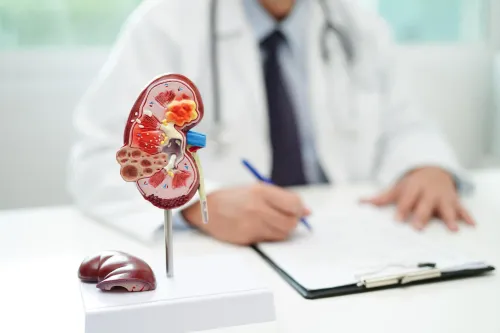
Leg swelling is common enough that people sometimes ignore it. Yet persistent Swelling in Legs in Pokhran Road 1 can occasionally be associated with kidney problems, particularly when accompanied by changes in urine, breathlessness, high blood pressure, abnormal kidney tests.
Swelling is medically called edema.
Why Does Swelling Develop?
Edema occurs when excess fluid accumulates in body tissues.
The kidneys play an important role in controlling sodium plus water balance. When kidney function is impaired, the body may retain additional fluid.
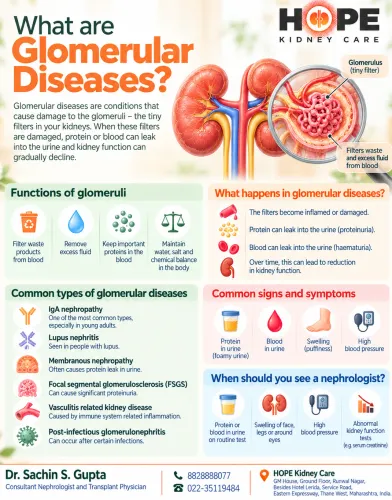
Certain kidney conditions can also lead to loss of protein through urine. Low blood protein levels may contribute to swelling.
Kidney disease, however, is only one possible explanation.
Other Causes Need Consideration
Leg swelling may also be associated with heart problems, liver disease, vein-related conditions, medications, prolonged sitting, local inflammation.
This is why swelling should not automatically be labelled as a kidney symptom.
The pattern provides useful clues. Doctors may ask whether swelling affects one leg or both, whether it improves overnight, whether there is pain, redness, breathlessness, recent medication change.
Kidney-Related Clues
Kidney evaluation may become more relevant when swelling occurs alongside
- Foamy urine
- Reduced urine output
- Abnormal creatinine
- Protein in urine
- High blood pressure
- Puffiness around the eyes
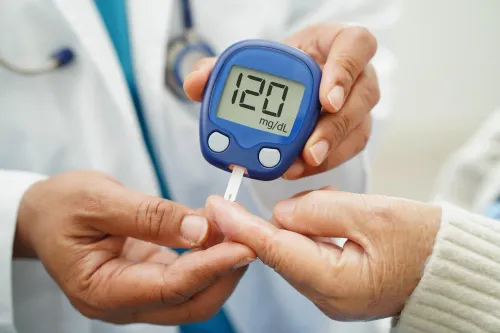
- Known diabetes
- Previous kidney disease
These findings do not confirm a diagnosis by themselves.
What Tests Can Help?
A doctor may recommend serum creatinine plus eGFR to assess kidney filtration.
Urine testing may look for protein, blood, other abnormalities. Electrolytes, blood protein levels, additional investigations may be selected depending on the clinical picture.
Blood pressure measurement is also valuable.
Avoid Starting Water Tablets Independently
Diuretics, sometimes called water tablets, can be useful in specific medical situations. They should not be started simply because the ankles appear swollen.
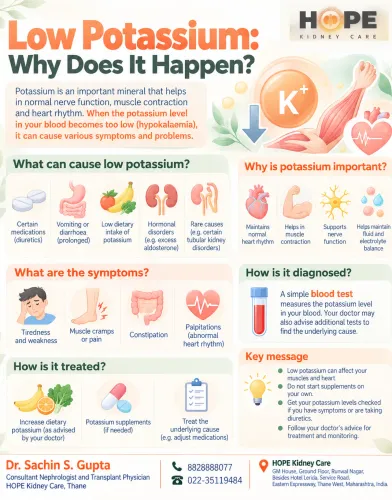
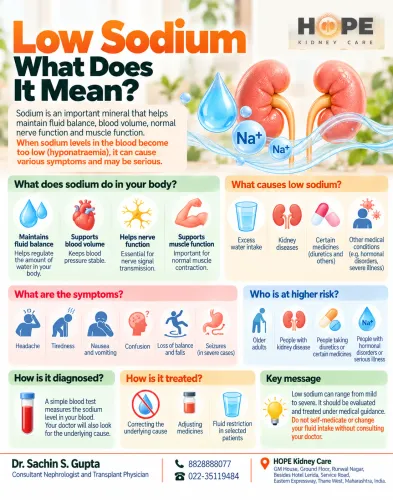
These medicines can affect blood pressure, kidney function, sodium, potassium.
Similarly, dramatically reducing fluid intake without medical guidance may be inappropriate.
When Swelling Needs Urgent Assessment
Sudden swelling accompanied by severe breathlessness or chest discomfort requires urgent medical care.
A painful, red, suddenly swollen single leg also deserves prompt assessment.
Rapidly worsening generalized swelling, very low urine output, marked weakness should not be ignored.
Hope Kidney Care can evaluate renal causes when patients in Pokhran Road 1 develop persistent edema plus signs suggesting possible kidney involvement.
The most useful approach is to identify why fluid is accumulating rather than treating swelling purely as a cosmetic inconvenience.
Once the cause is understood, treatment can focus on the underlying condition. For kidney-related edema, this may involve management of kidney disease, blood pressure, urinary protein loss, salt intake, medication, fluid balance according to the patient's individual needs.
Persistent unexplained swelling deserves medical evaluation, especially when it appears together with urinary changes or abnormal kidney reports.
Keywords