High blood pressure is widely associated with heart health, yet its relationship with the kidneys is equally important. Persistent Hypertension in Majiwada may gradually damage the small blood vessels responsible for kidney filtration.
The relationship can also work in the opposite direction. Kidney disease itself may contribute to difficult-to-control blood pressure. This creates a cycle that requires careful medical assessment.
Why Kidneys Are Sensitive to High Blood Pressure
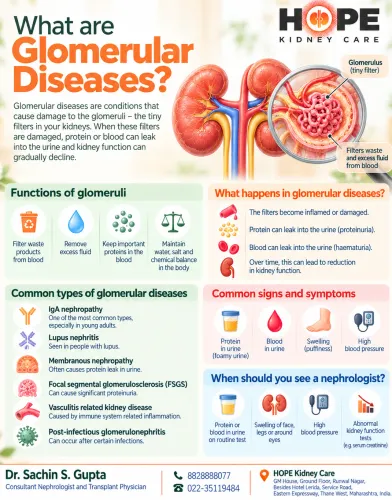
Kidneys contain a network of tiny blood vessels that help filter the blood.
When blood pressure remains elevated over a prolonged period, these vessels may become damaged. Reduced filtering efficiency can eventually affect the kidney's ability to remove waste products, regulate fluid levels.
This process often develops without obvious symptoms.
High Blood Pressure May Be Silent
Many people with hypertension feel completely normal. Headaches or dizziness are sometimes associated with high readings, but symptoms cannot reliably indicate whether blood pressure is controlled.
Regular measurement is therefore important.
A single elevated reading does not always establish persistent hypertension. Doctors may consider repeated measurements, home readings, medical history, related risk factors before deciding how the result should be interpreted.
Kidney Tests May Be Useful
When persistent hypertension is present, kidney assessment may include blood plus urine investigations.
Common tests can include
- Serum creatinine
- eGFR
- Urine protein testing
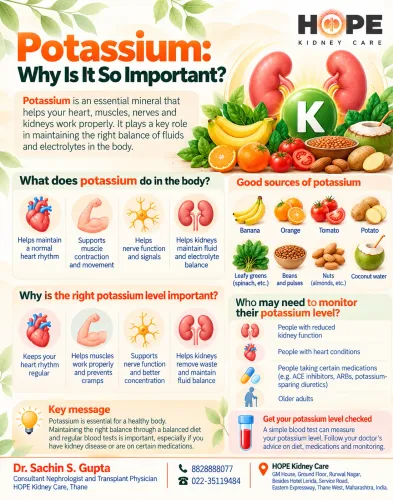
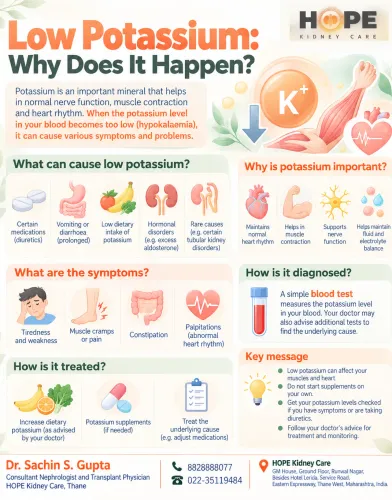
- Electrolyte levels
- Routine urine examination
These investigations help doctors assess whether kidney function has been affected.
Why Protein in Urine Matters
Healthy kidneys normally prevent significant quantities of protein from passing into urine.
When kidney filters become damaged, increased protein may appear in urine. Depending on the clinical situation, a physician may recommend testing for albumin or other measures of urinary protein.
An abnormal result requires interpretation in the context of the patient's overall health.
Daily Habits Still Matter
Medical treatment is often only one part of blood pressure management.
Depending on individual health needs, patients may be advised to pay attention to salt intake, body weight, physical activity, smoking, sleep, prescribed medication use.
Dietary recommendations should be individualized when kidney impairment is present. Advice suitable for the general population may not always be appropriate for someone with advanced kidney disease.
When Kidney Evaluation Becomes Relevant
Kidney assessment can become particularly important when blood pressure remains high despite treatment, kidney tests become abnormal, urine protein is detected, swelling develops.
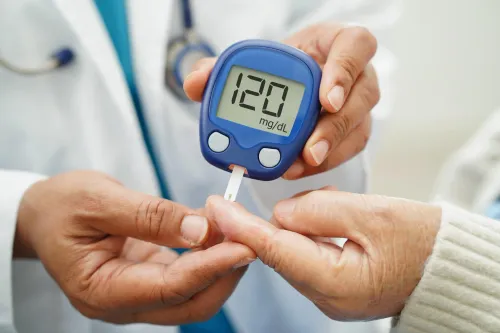
People with diabetes plus hypertension may require especially careful monitoring because both conditions can affect kidney health.
At Hope Kidney Care, kidney-focused assessment can help patients in Majiwada understand whether persistent blood pressure concerns have any relationship with renal function.
The aim is not simply to reduce a number on a blood pressure machine. Effective management involves understanding cardiovascular risk, kidney function, medications, lifestyle factors, related medical conditions.
Anyone recording very high blood pressure accompanied by severe headache, chest pain, breathlessness, weakness, confusion, vision changes should seek urgent medical assessment.
For people with persistent but less dramatic elevations, scheduled evaluation remains valuable. Regular blood pressure monitoring combined with appropriate kidney testing can provide a clearer picture of long-term health risks before complications become more difficult to manage.
Keywords