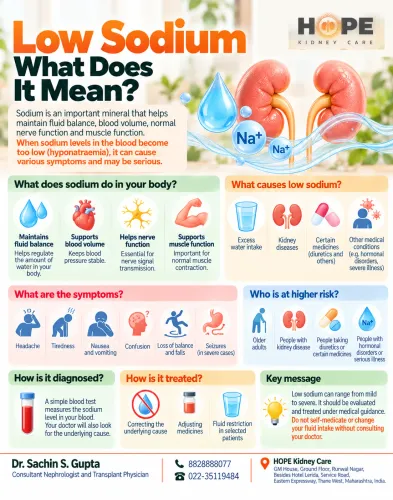
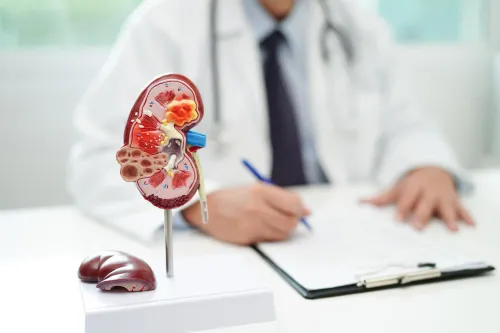
High blood pressure, also known as hypertension, is often called a silent condition because it may not cause noticeable symptoms for years. While many people associate hypertension with heart disease or stroke, fewer realize that it can significantly affect kidney health. For residents of Vartak Nagar, understanding this connection is important because early management of blood pressure can help prevent long-term kidney damage.
Your kidneys contain millions of tiny blood vessels that filter waste products and excess fluid from the blood. These delicate blood vessels rely on healthy blood flow to function properly. When blood pressure remains consistently high, the increased force against the vessel walls can gradually damage the kidneys, reducing their ability to filter blood efficiently.
How Does Hypertension Damage the Kidneys?
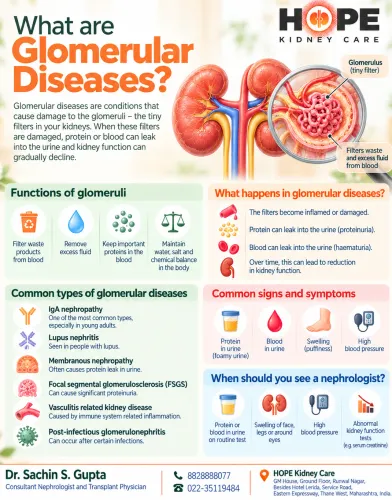
Healthy kidneys regulate fluid balance, remove toxins, and help maintain normal blood pressure. Persistent hypertension creates excessive pressure inside the kidney's filtering units, known as nephrons.
Over time, this may lead to:
- Narrowing of kidney blood vessels
- Reduced blood supply to kidney tissue
- Scarring of the filtering units
- Protein leakage into the urine
- Progressive decline in kidney function
This damage often develops slowly, making regular health check-ups essential even when you feel well.
Can Kidney Disease Also Cause High Blood Pressure?
Yes. The relationship between hypertension and kidney disease works both ways.
Damaged kidneys may struggle to regulate fluid and certain hormones involved in blood pressure control. As a result, blood pressure can rise further, creating a cycle where hypertension worsens kidney disease, and kidney disease makes hypertension more difficult to control.
Breaking this cycle requires timely diagnosis and appropriate treatment.
Who Is at Higher Risk?
Some people are more likely to develop kidney complications from hypertension than others.
Risk factors include:
- Long-standing uncontrolled high blood pressure
- Diabetes
- Family history of kidney disease
- Obesity
- Smoking
- Older age
- High salt intake
- Lack of physical activity
Individuals with multiple risk factors should have their kidney function monitored regularly.
Warning Signs May Appear Late
One of the challenges of hypertension-related kidney disease is that symptoms often appear only after significant damage has occurred.
Possible warning signs include:
- Persistent swelling in the feet or ankles
- Fatigue
- Changes in urination
- Difficulty controlling blood pressure despite medication
- Shortness of breath due to fluid retention
- Loss of appetite
- Poor concentration
Because these symptoms are not specific to kidney disease, medical evaluation is important whenever they persist.
Tests That Help Assess Kidney Health
Doctors may recommend several simple investigations to determine whether hypertension has affected the kidneys.
Common tests include:
- Blood pressure measurement
- Blood tests to assess kidney function
- Urine examination for protein
- Estimated Glomerular Filtration Rate (eGFR)
- Kidney ultrasound when indicated
Regular monitoring helps detect changes before they become severe.
Managing Hypertension to Protect the Kidneys
Effective blood pressure control is one of the best ways to preserve kidney function.
Doctors commonly recommend:
- Taking prescribed medications consistently
- Reducing salt intake
- Eating more fresh fruits and vegetables when medically appropriate
- Maintaining a healthy weight
- Exercising regularly
- Limiting alcohol consumption
- Avoiding tobacco products
- Monitoring blood pressure at home
Never stop blood pressure medication without consulting your doctor, even if readings improve.
Everyday Habits That Make a Difference
Healthy lifestyle choices support both heart and kidney health.
Consider these practical steps:
- Read nutrition labels to reduce sodium intake.
- Stay physically active for at least 30 minutes on most days.
- Drink fluids according to your doctor's advice.
- Manage stress through relaxation techniques.
- Attend routine medical check-ups.
- Keep diabetes under good control if present.
Small, consistent improvements often provide long-term benefits.
When Should You Seek Specialist Care?
People with uncontrolled hypertension, abnormal kidney function tests, or protein detected in the urine may benefit from evaluation by a kidney specialist. Hope Kidney Care provides comprehensive assessment and long-term management for patients with hypertension-related kidney concerns, helping individuals understand their condition and receive appropriate treatment.
For families in Vartak Nagar, recognizing the link between hypertension and kidney health can encourage earlier intervention and reduce the risk of chronic kidney disease in the future.
Keywords