A Kidney Stone in Manpada may cause anything from no symptoms at all to intense pain that begins suddenly. The experience depends partly on the stone's size, position, movement through the urinary tract.
Not every stone requires the same treatment. Some may pass spontaneously, while others need medical or procedural management.
What Are Kidney Stones?
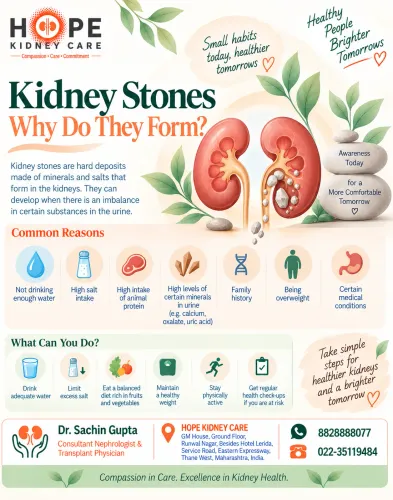
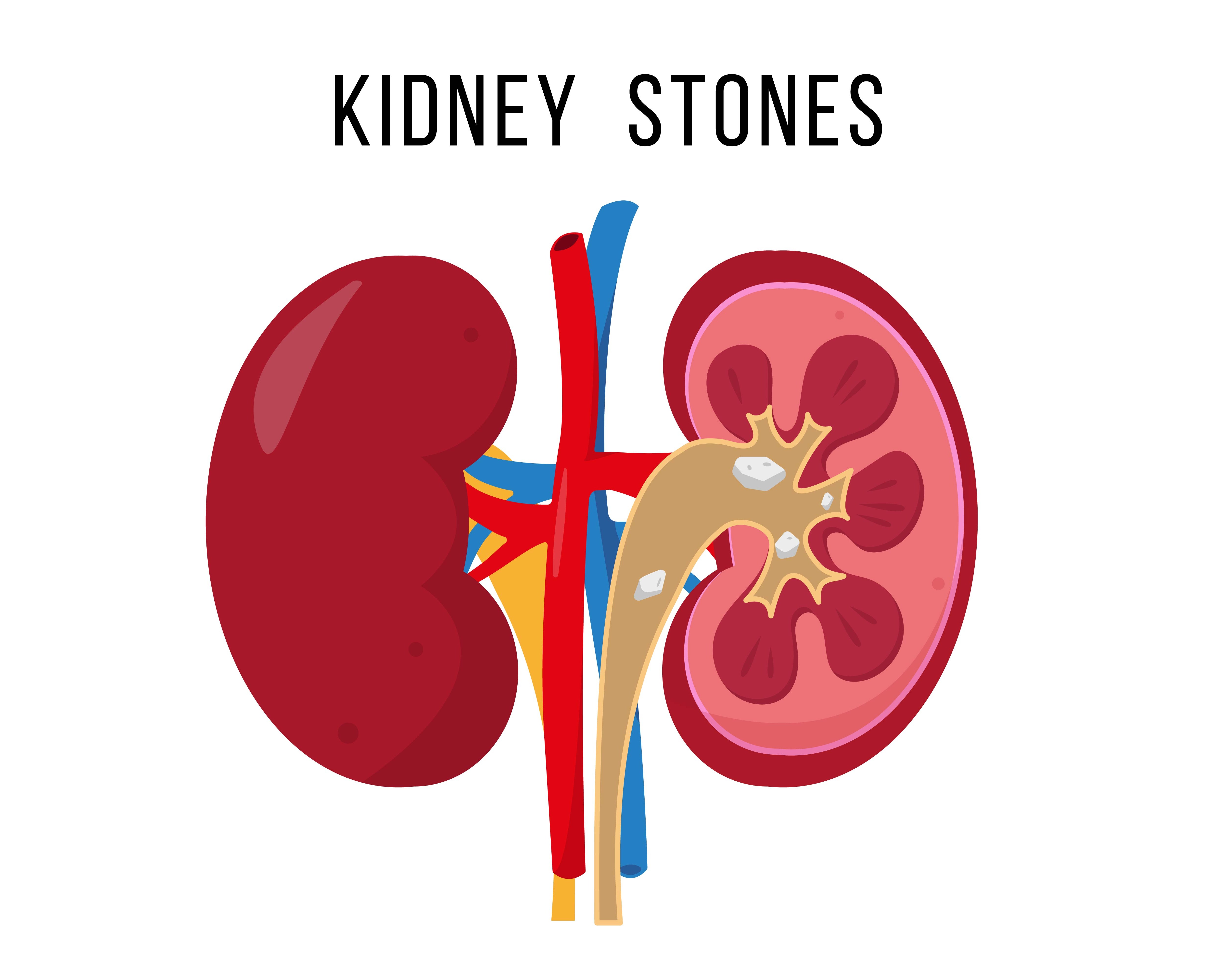
Kidney stones are hard deposits that form from substances present in urine.
Different stone types have different compositions. Calcium-based stones are common, though uric acid stones plus other less common types also occur.
Understanding the stone type can become particularly useful when stones repeatedly develop.
Typical Symptoms
A stone moving into the ureter may cause severe pain in the side or back. Pain can travel toward the lower abdomen or groin.
Other possible symptoms include
- Nausea
- Vomiting
- Blood in urine
- Frequent urination
- Urinary urgency
- Pain while urinating
Some stones are found incidentally during imaging performed for another reason.
When a Stone Becomes More Concerning
A kidney stone accompanied by fever requires prompt medical assessment because obstruction plus infection can become serious.
Other reasons to seek timely care include uncontrolled pain, persistent vomiting, difficulty passing urine, reduced urine output, known kidney impairment.
How Stones Are Evaluated
Imaging helps establish stone size plus location.
Ultrasound may be useful in many clinical situations. Other imaging techniques may be considered depending on symptoms plus diagnostic needs.
Urine tests can look for blood or infection. Blood tests may assess kidney function.
Can Every Small Stone Be Left Alone?
Stone size is important, but it is not the only consideration.
Doctors also consider stone location, symptoms, urinary obstruction, infection, kidney function, previous history.
A small stone causing significant obstruction may require a different approach from a similarly sized stone that is progressing without complications.
Preventing Another Stone
After an acute episode, prevention becomes important, particularly for recurrent stone formers.
Fluid intake is frequently discussed, though recommendations may need modification in people with certain kidney or heart conditions.
Dietary advice should ideally be based on stone type plus individual metabolic factors rather than following restrictive internet diets.
In selected patients, doctors may recommend stone analysis, blood investigations, specialized urine testing.
Avoid Common Self-Treatment Mistakes
Drinking excessive quantities of water during severe obstruction is not automatically beneficial. Herbal remedies should also not be assumed safe merely because they are marketed as natural.
People with kidney impairment need particular caution with unverified products.
Hope Kidney Care can assess kidney-related concerns for patients in Manpada when stones, abnormal kidney tests, recurrent stone formation require nephrology input.
Kidney stone management is most effective when treatment addresses the current stone plus the reason stones may be recurring.
For someone experiencing severe pain with fever, chills, vomiting, reduced urine output, urgent assessment is particularly important. Once the acute episode has settled, appropriate prevention strategies may reduce the chance of facing the same problem repeatedly.
Keywords